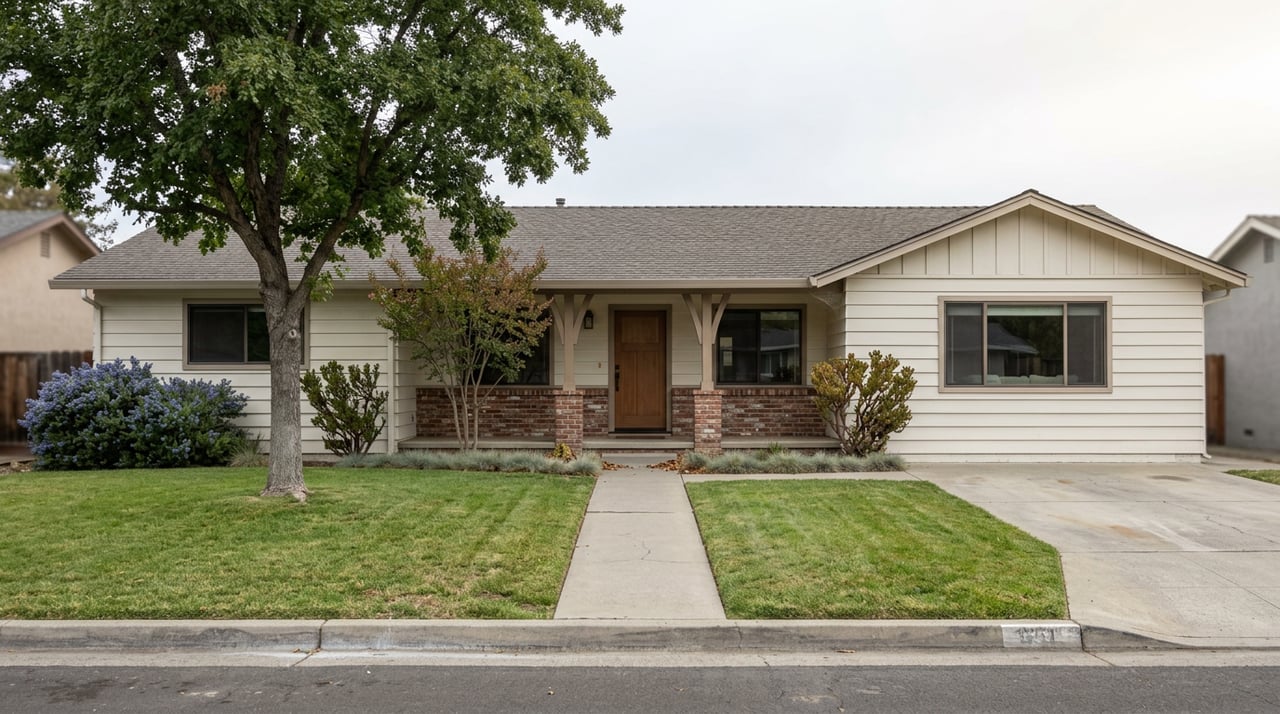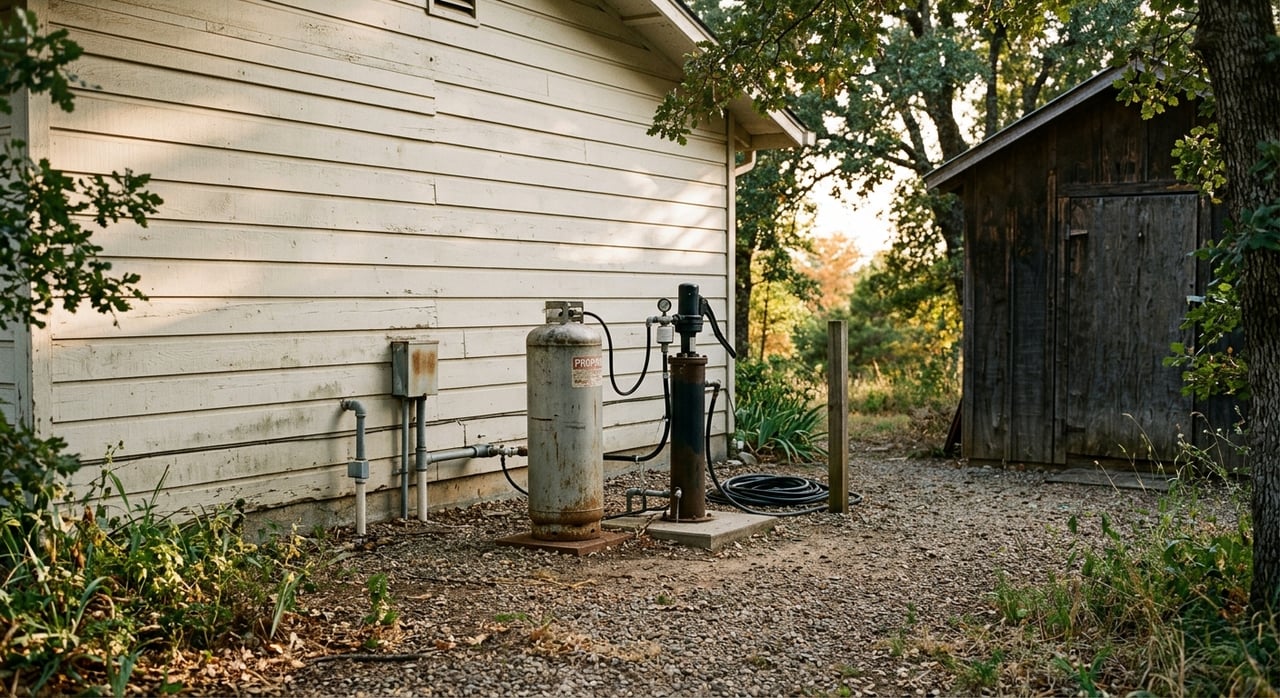
If you are getting ready to sell a rural property in Cottonwood, you already know it is not the same as listing a house on a standard neighborhood lot. Acreage, access, water, septic, fire-zone details, and outbuildings can all affect how buyers see value. The good news is that with the right prep, you can present your property clearly, price it with confidence, and attract serious buyers. Let’s dive in.
Why rural listings need extra planning
Cottonwood is a smaller market, which means a handful of sales can shift the numbers fast. Recent market snapshots show that median price and days on market can vary depending on the source, and that tells you something important: rural properties are highly parcel-specific.
A property with usable flat land, clear access, service records, and strong presentation may stand apart from other listings quickly. That is why rural sellers in Cottonwood usually benefit from doing more homework before the property hits the market.
Start with parcel records
Before listing, gather the details that help buyers understand exactly what they are looking at. Shasta County GIS maps can help confirm parcel boundaries, APN, zoning, general plan information, flood hazards, roads, and district boundaries.
That said, county GIS information is meant for assessment and general context, not exact corner staking. If boundary lines are likely to be a major issue in your sale, a licensed surveyor is the appropriate resource.
It also helps to confirm practical property details early. In unincorporated areas, Shasta County notes that Resource Management is the best source for questions about road maintenance or address points.
Verify water, sewer, septic, and well information
For many rural buyers, utility questions come early. They want to know whether the property is served by Cottonwood Water District, connected to County CSA #17 Cottonwood Sewage Disposal System, or operating on a private well and septic system.
If your property uses a well, Shasta County Environmental Health requires permits for drilling, destroying, deepening, or reconditioning a well. If the property uses septic, the county’s OWTS program requires permits for new or replacement septic tanks and leach fields, along with site plans, fees, and soil-test data.
Even if your systems are older, any available records can help buyers feel more informed. Environmental Health also reviews existing water and septic records for lender water and septic waivers, including potability and replacement-area checks, so having that paperwork ready can support a smoother transaction.
Check fire-zone and defensible space details
Fire preparation matters in rural Cottonwood. Shasta County maps fire hazard severity zones, and CAL FIRE classifies areas as Moderate, High, or Very High.
CAL FIRE also says 100 feet of defensible space is required by law. If you are preparing to list, this is a smart time to clear overgrowth, trim vegetation, and make the property look both safer and better maintained.
Your disclosure package should also reflect current hazard information. California’s Natural Hazard Disclosure Statement includes whether the property is in a high fire hazard severity zone and whether it is in a State Responsibility Area or Local Responsibility Area.
Gather permit and improvement records
Buyers often ask about roads, driveways, pads, grading, additions, and repairs. If you have records for those items, pull them together before your home goes live.
Shasta County says grading permits are required for roads and driveways, land clearing, building pads, and some new sewage-disposal systems. Cottonwood Fire Protection District also requires plan review for all permits in its area, while the county building division handles fire plan review for parcels outside the fire districts.
If you completed recent work, California disclosure rules may apply. If you took title in the last 18 months, AB 968 requires disclosure of contractor-performed additions, structural modifications, alterations, or repairs costing $500 or more, along with contractor names and permits.
Prepare California seller disclosures
Most California sellers of one-to-four unit homes provide a Transfer Disclosure Statement and a Natural Hazard Disclosure Statement. The Transfer Disclosure Statement is not a warranty, but it is a key part of presenting the property accurately.
For a rural property, full and organized disclosure is especially helpful. Buyers may be evaluating land use, systems, access, hazard zones, and improvements all at once, so clear documentation can reduce confusion and build trust.
Stage the land, not just the house
With acreage, outdoor presentation can be just as important as the interior. Buyers are not only purchasing a home. They are also evaluating frontage, views, usable ground, fencing, outbuildings, and how the land functions day to day.
Start by decluttering outdoor areas. Remove scrap piles, unused equipment, extra vehicles, and anything that makes the property feel harder to maintain.
Then focus on the parts of the property buyers are most likely to remember:
- The driveway approach
- The front entry and exterior condition
- Open views and usable flat areas
- Fencing and gates
- Barns, shops, sheds, or other outbuildings
- Garden areas or animal-use spaces
If outdoor seating or gathering areas fit the property, simple staging can help buyers imagine how they would use the space. The goal is to make the land feel intentional, accessible, and cared for.
Make access easy for showings
Rural showings can go sideways when access is confusing. A long driveway, locked gate, livestock, pets, or parked equipment can distract from the property itself.
Showings are usually easier by appointment, especially on acreage. Keep the driveway passable, provide clear directions, and make sure buyers can move safely through the main areas of the property.
If you have gates, animals, or multiple structures, create a plan before showings begin. The easier it is for buyers to tour the property, the easier it is for them to understand its value.
Price from true local comps
Pricing a rural Cottonwood property takes more than checking a headline median. Recent online snapshots for Cottonwood show noticeable differences in pricing and days on market, and one report was based on only four sales.
That is why the best recent comps for your exact parcel type matter more than broad averages. A home on a few usable acres with district water may compete very differently from a larger parcel with private systems, outbuildings, or more specialized land use.
Strong pricing should reflect the property’s actual features, condition, access, and documentation. In a market like Cottonwood, that kind of precision can make a real difference.
Market to local and out-of-area buyers
Some buyers already know Cottonwood well. Others may be relocating from another part of Northern California or from farther away, which means your listing needs to answer their questions before they ever step on the property.
That starts with a complete online presentation. Rural listings should clearly explain water source, septic or sewer status, acreage use, access, and any fire-zone considerations.
Professional photography also matters because buyers may be deciding whether the property is worth a long drive. Photos should show the home, the land, the entry, major structures, and the layout of usable space.
Marketing exposure should be broad and practical. A well-prepared listing can benefit from MLS exposure, photography, signage, open houses where appropriate, social media, and competitive pricing.
Focus on clarity from day one
A successful rural listing usually feels easy to understand. Buyers should not have to guess about basic systems, wonder how to access the property, or struggle to picture how the land can be used.
When you gather records, clean up the grounds, prepare disclosures, and price from relevant local comps, you give your property a better chance to stand out for the right reasons. That kind of preparation can save time, reduce surprises, and help attract better-qualified interest.
If you are thinking about selling acreage or a rural home in Cottonwood, working with a local team that understands how to position land, homes, and mixed-use rural properties can make the process much smoother. For practical guidance and a local marketing plan, connect with Lori Slade.
FAQs
What records should you gather before listing a rural property in Cottonwood?
- You should gather parcel records, APN information, zoning and GIS details, water or well records, septic or sewer records, and any permits or improvement documents tied to roads, grading, structures, or system work.
How should you prepare acreage for showings in Cottonwood?
- You should clear clutter, make the driveway passable, open up key view areas, organize fencing and gates, and make sure pets, livestock, and parked vehicles do not block access.
Why is pricing a rural Cottonwood property different from pricing a standard home?
- Rural pricing depends heavily on parcel-specific factors like acreage use, access, utilities, outbuildings, and condition, so the best local comps for that property type matter more than broad median numbers.
What water and septic details do buyers want to know about Cottonwood rural properties?
- Buyers often want to know whether the property is served by Cottonwood Water District, County CSA #17 sewer service, or a private well and septic system, along with any available records for those systems.
What fire-related information matters when listing a rural property in Cottonwood?
- Fire hazard severity zone status, defensible space preparation, and hazard disclosure details matter because Shasta County maps fire zones and CAL FIRE says 100 feet of defensible space is required by law.
What disclosures are usually required when selling a home in Cottonwood, California?
- For most one-to-four unit homes, sellers provide a Transfer Disclosure Statement and a Natural Hazard Disclosure Statement, and some recent contractor-performed work may also require added disclosure under California law.