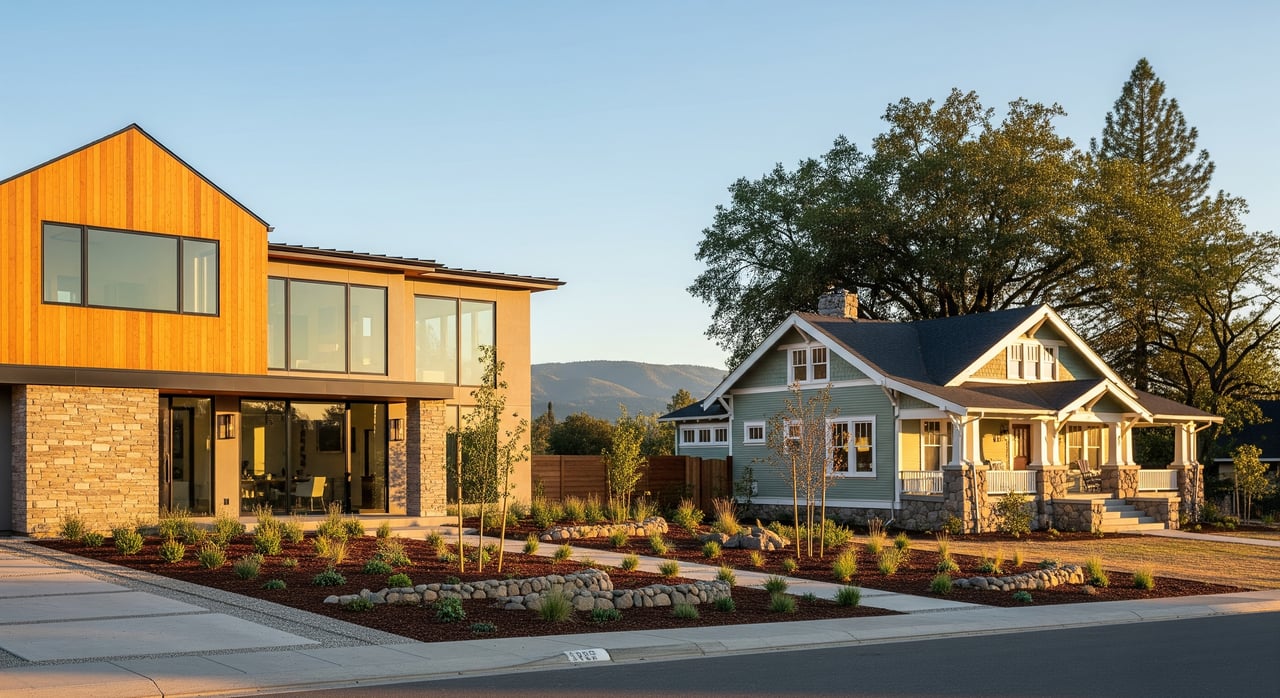
Thinking about buying in Anderson and torn between a brand-new home and a resale? You are not alone. Each path has real trade-offs in cost, timing, location, and risk. In this guide, you will learn how new construction and resales compare in Anderson, what to budget for, and how to choose the best fit for your timeline and goals. Let’s dive in.
What drives costs in Anderson
Purchase price and value drivers
New construction often comes with a per-square-foot premium because it includes modern systems, current codes, and up-to-date finishes. That premium varies by builder, lot, and demand. Resale values depend on location, lot size, age and condition, and recent updates. In Anderson, lot differences matter. You will find both in-town parcels and semi-rural lots that can change value and price comparisons. Always compare recent, like-kind sales and adjust for lot and finish.
Upgrades and lot premiums
Builders usually price a base home that excludes common upgrades. You may pay extra for appliances, solid-surface counters, landscaping, fencing, and window coverings. Premium lots can also carry added cost for size, views, or corner placement. Resale homes flip the cost profile. You may pay less for upgrades up front, but plan for repairs or updates such as roofing, HVAC, paint, or flooring.
Closing costs and assessments
New homes may include higher initial utility connection fees and developer or impact fees. Some new neighborhoods also form HOAs with monthly dues, or have special assessments that add to annual housing costs. Resale homes may have lower or no HOA dues, but older systems can raise near-term repair spending. Remember California property tax rules. A new purchase sets a new assessed value at your purchase price, with annual increases limited under Proposition 13. Buying resale also creates a new base assessment at closing and may trigger a supplemental bill.
Operating costs and insurance
New builds are generally more energy-efficient and lower maintenance in the early years. New HVAC, insulation, and windows can reduce utility and repair costs. Older homes may need more frequent servicing and upgrades. Insurance can also differ. In Shasta County, wildfire exposure and floodplain proximity can affect premiums and availability. Always get quotes early in your shopping process so you understand the true monthly cost of ownership.
Timelines and financing
Typical timelines
If you need to move soon, a resale can often close in 30 to 45 days once your offer is accepted. A finished or near-finished spec home can close on a similar schedule. If you choose a build-to-order home with a production builder, expect about 6 to 12 months, depending on permits, supply chain, and weather. Custom builds can take 12 to 18 months or more. Local permitting and inspections can add time, so confirm current averages before you commit.
Financing options
Resale homes pair well with conventional, FHA, VA, or USDA loans. Lenders and appraisers can rely on nearby comparable sales. New construction offers more paths. You might use a construction-to-permanent loan that converts to a mortgage when complete, or a two-close structure with interim financing followed by a permanent loan. Spec homes often qualify for standard purchase financing. The right choice depends on your timeline, risk tolerance, and costs for each option.
Appraisals and builder incentives
Appraisals for brand-new homes can be tricky if there are few recent comps. Lenders may use builder plans and nearby sales to support value. Builders sometimes offer incentives like rate buydowns or closing credits. Weigh those offers against the purchase price and terms. The best deal is the one with the lowest total cost to own, not just the lowest rate.
Inspections, contracts, and warranties
Resale inspection essentials
Resale buyers usually include inspection contingencies. A general home inspection is common, along with termite, roof, septic, or well inspections where relevant. Use your reports to negotiate repairs or a price adjustment. Also review permit history for past work and confirm that any additions or conversions were done to code.
New-build inspections and punch list
Even a new home benefits from independent inspections. Ask for pre-drywall and final inspections. Keep a punch list for items like paint touch-ups, doors, windows, and system performance. Confirm in your contract when the home is considered substantially complete and what happens if there are delays. Make sure you receive a Certificate of Occupancy before closing.
Warranty protections in California
Most builders provide layered coverage, often a one-year workmanship warranty, a short-term systems warranty, and a longer structural warranty. Coverage varies, so read the documents carefully. Understand how to file claims, timelines for service, and any exclusions. Keep records, photos, and written communication for any warranty issues. For legal questions, consider consulting a local real estate or construction attorney for clarity on your rights.
Location trade-offs in Anderson
New communities
Newer subdivisions in Anderson tend to cluster near the city’s edges or on infill parcels. You may find modern layouts, newer utilities, sidewalks, and sometimes community amenities. Lots can be larger and more uniform. The trade-off is distance. You may be farther from downtown services, small business districts, or certain daily routes.
Established neighborhoods
Resale homes in mature areas can offer closer proximity to established services and community hubs. You may also find mature trees and varied lot shapes. The character can be appealing, but older infrastructure or systems might require updates. Balance the charm and location benefits against potential upgrade costs.
Wildfire and flood considerations
Shasta County has areas with wildfire risk. Review local fire-risk maps, defensible space requirements, and insurance availability for each property. Floodplain proximity can affect permits, elevation requirements, and insurance. Newer subdivisions may include modern mitigation and vegetation management, while older properties may need retrofits. Always factor these items into your budget and due diligence.
Decision guide: Which is right for you?
Consider these priorities and match them to new or resale.
- Budget: New may cost more upfront but can reduce near-term maintenance and energy costs. Resale may cost less to buy but plan for updates.
- Timeline: Need to move soon? Resale or a finished spec home. Flexible timeline? Build-to-order or custom can work.
- Location: Want proximity to established amenities? Resale areas may fit. Prefer modern streetscapes and new infrastructure? New communities may appeal.
- Maintenance tolerance: Want low maintenance now? New can help. Comfortable with projects? Resale can offer value.
- Customization: Want to choose finishes and floor plans? New is your path. Prefer a move-in-ready home without decisions? Resale or spec may suit you.
- Long-term plans: If you plan to stay for years, weigh total cost of ownership and location quality over time.
Side-by-side checklist
Use this quick list for each property you consider:
- Full price plus estimated upgrades for new builds
- Lot premium amount and what it buys
- HOA dues and rules, if any
- Impact fees, utility connection costs, and special assessments
- Warranty details and claim process for new homes
- Recent comparable sales for both new and resale options
- Insurance availability and estimated premiums
- Permit history for resales; Certificate of Occupancy for new homes
- Estimated closing timeline and required financing path
Common mistakes to avoid
- Ignoring upgrade and lot costs on a new build. Budget beyond the base price.
- Skipping independent inspections for a brand-new home. Fresh construction still needs oversight.
- Overlooking insurance. Get wildfire and flood insurance quotes early.
- Letting incentives drive the deal. Compare total monthly cost, not just the rate.
- Assuming all HOAs are the same. Confirm dues, rules, and what is included.
- Underestimating repair and update costs on older homes. Price out major systems.
Next steps with a local guide
Your best choice comes from clear priorities, real numbers, and a local lens on Anderson’s neighborhoods. If you want help comparing specific homes, estimating total ownership costs, or navigating builder contracts and inspections, connect with a local, hands-on team that works across Northern California towns and understands both in-town and semi-rural properties. Reach out to Lori Slade for practical, no-pressure guidance on new construction and resales in and around Anderson.
FAQs
What costs make new homes pricier in Anderson?
- New builds often include premiums for modern systems and finishes, plus potential lot premiums, impact fees, and HOA dues, though lower maintenance can offset some costs.
How long will a new Anderson home take to build?
- A finished spec can close in about 30 to 60 days, while build-to-order commonly runs 6 to 12 months and custom can extend 12 to 18 months or more.
Do I still need inspections on a new home?
- Yes. Order pre-drywall and final inspections, keep a punch list, and verify a Certificate of Occupancy before closing.
Are builder incentives worth it?
- Sometimes. Compare the incentive against price, closing costs, and your long-term monthly payment. Choose the lowest total cost to own.
How do wildfire and flood risks affect buying?
- Risk zones can impact insurance availability, premiums, and possible mitigation costs. Always obtain quotes and review local requirements before you commit.