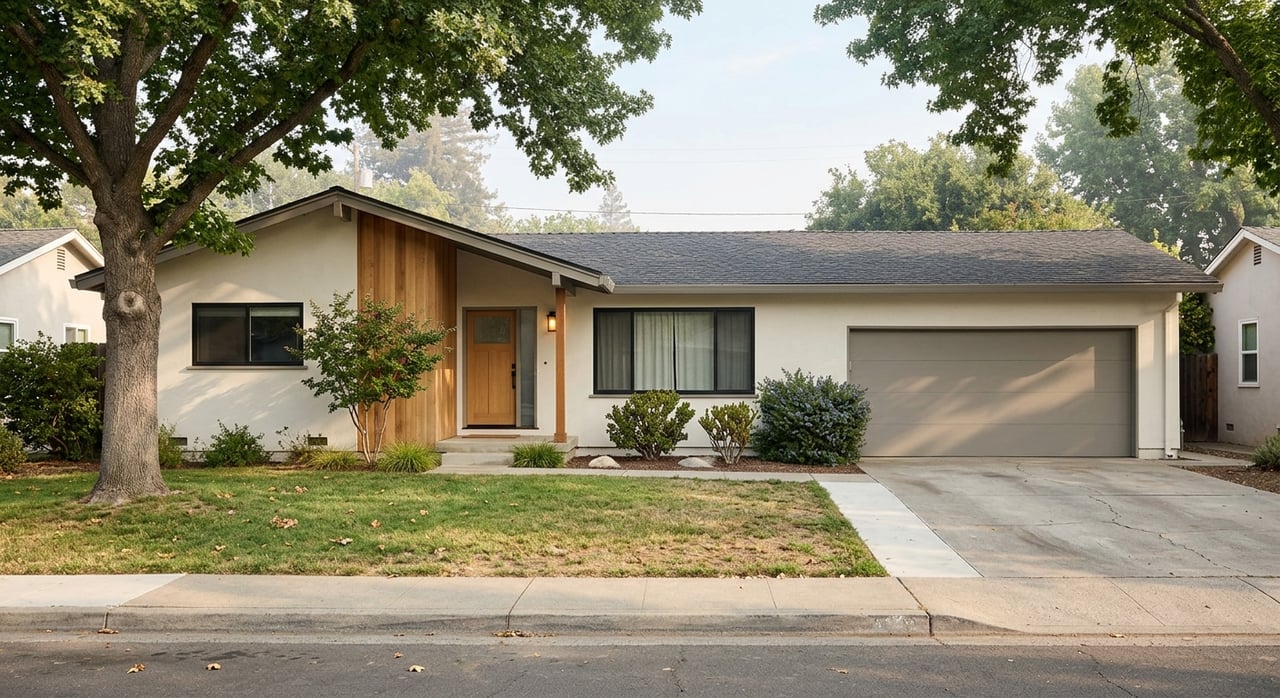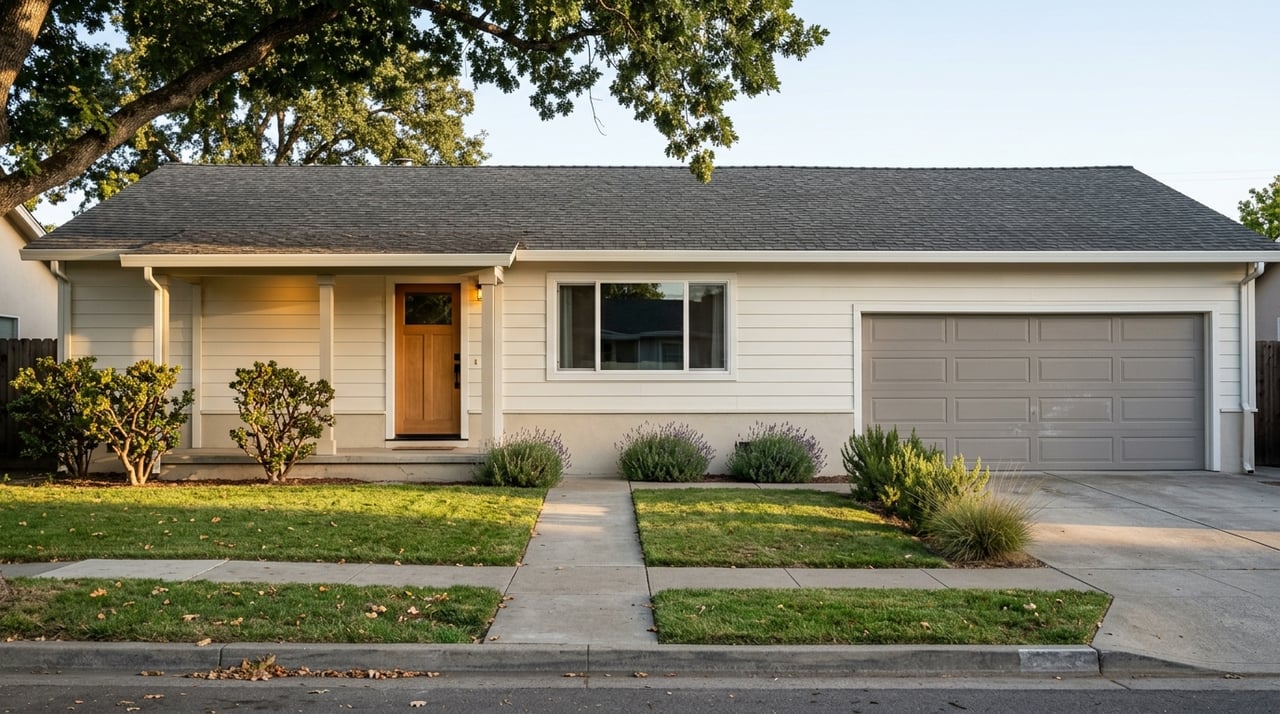
If weekends on the water and weekday sunset walks sound like your kind of life, Redding may already be on your radar. The city’s rhythm is shaped by trails, lakes, and riverfront time, which means the right home should fit how you actually live. In this guide, you’ll learn how Redding’s outdoor culture shapes your must‑haves, what local hazards and rules to check early, and how to focus your search by neighborhood type. Let’s dive in.
Redding lifestyle at a glance
Redding is a regional hub of about 93,500 people, according to the July 2024 U.S. Census estimate. The city’s daily life leans outdoors, thanks to the Sacramento River, a wide network of multi‑use trails, and quick access to lakes and foothill recreation. You see that in local listings and in how people spend their free time.
- The Sacramento River Trail and connected paths function as both recreation and everyday infrastructure. Many residents use them for morning runs, bike commutes, and evening strolls on the Sacramento River Trail and connected paths.
- Whiskeytown National Recreation Area sits minutes west, with beaches, boat launches, and trailheads that make quick after‑work swims and weekend hikes easy at Whiskeytown National Recreation Area.
- Shasta Lake’s marinas support a strong boating and houseboat scene, which often shows up as a lifestyle priority during home shopping near Bridge Bay and other Shasta Lake marinas.
Redding’s climate matters too. Summers are hot and dry, with many days in the 80s and 90s and heat spells over 100 degrees, while winters are mild and wetter. Landscaping, shade, and irrigation become practical considerations in almost every yard choice given Redding’s hot, dry summers and mild, wetter winters.
What lifestyle means for your must‑haves
Your weekend gear and weekday routines should guide your home features. Start your list with storage, outdoor living, and location.
Boat and RV storage
If you trailer a boat to Shasta or keep an RV for long weekends, look for:
- A wide, long driveway and a gateable side yard for off‑street parking.
- A concrete RV pad with power if possible.
- Neighborhood or HOA rules that allow visible storage or screened parking, depending on your needs.
Rules vary by address, so always confirm city code, county code, or HOA CC&Rs before you bid.
Garage and gear organization
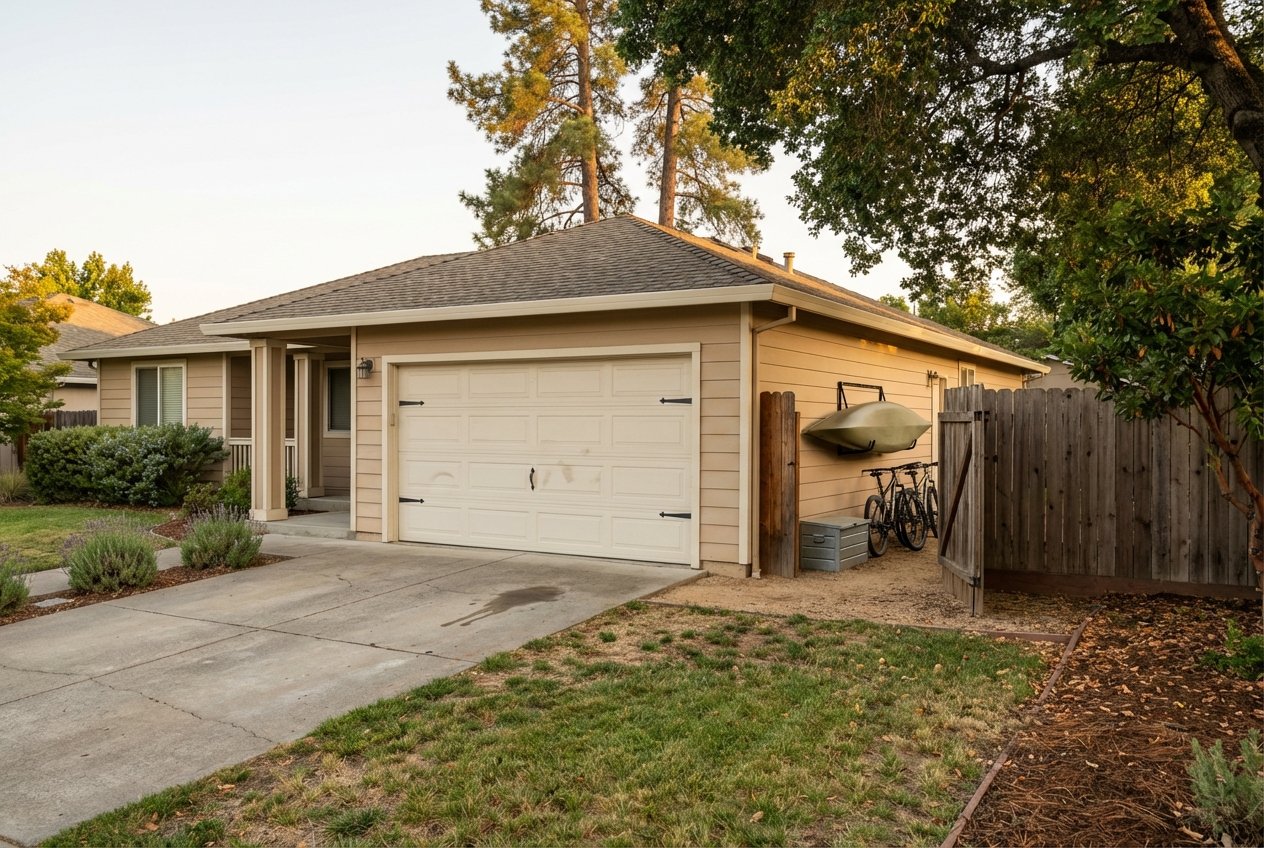
Active households often outgrow a standard single‑car garage. If you have kayaks, mountain bikes, fishing gear, or skis, prioritize:
- Taller doors or wider bays for racks and roof boxes.
- Wall systems, ceiling hooks, and built‑ins for easy organization.
- A shed or small workshop for dirty gear and tools.
Outdoor living that beats the heat
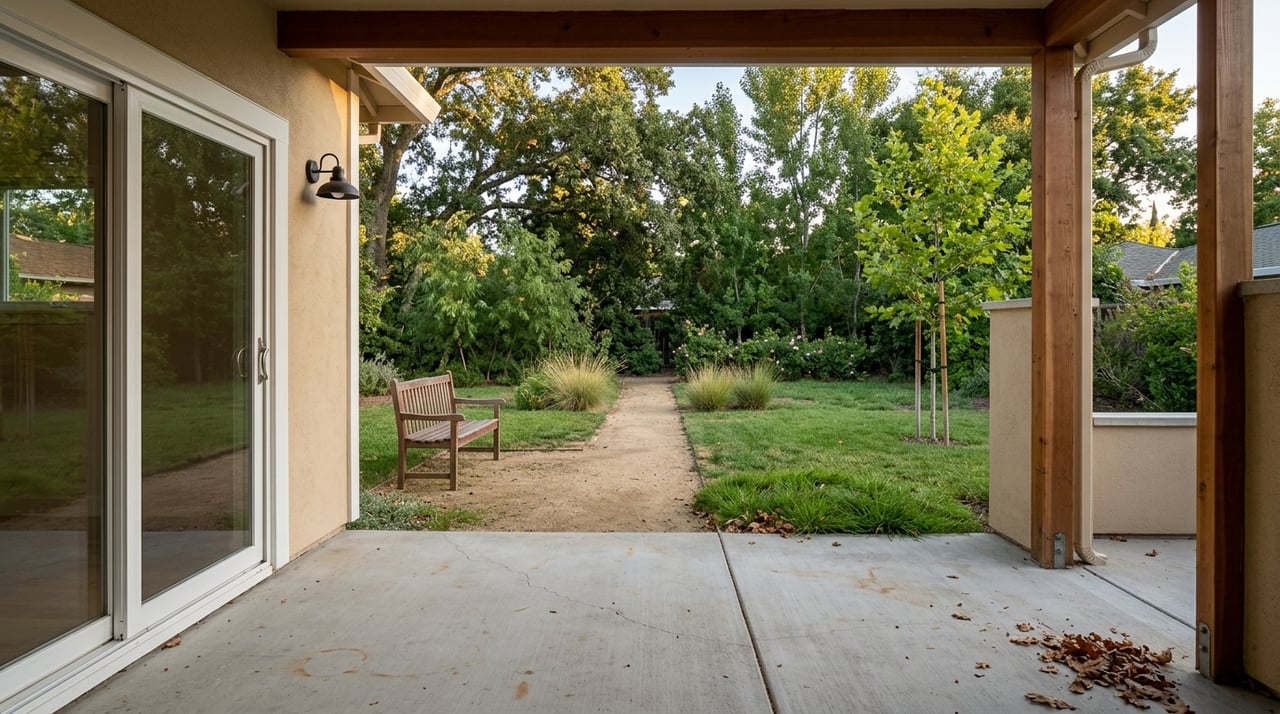
Redding summers reward smart outdoor spaces. Look for covered patios, fans, misters, and materials that handle high heat. Drought‑tolerant landscaping with drip irrigation and shade trees can keep maintenance and water use in check given local climate patterns.
Low‑maintenance lots vs. acreage
If you want space for toys, trailers, or a workshop, you might look east toward larger lots and acreage. The tradeoff is a longer drive to downtown conveniences and, often, wells and septic systems instead of city utilities. If you prefer daily river access and shorter commutes, smaller in‑town lots near the trail network may suit you better with easy access to the Sacramento River Trail.
Match neighborhood types to how you live
Every area around Redding offers different strengths. Use this quick map to focus your search.
- Downtown and Central Redding. Smaller yards and garages, but closer to the riverfront and the multi‑use trail system. Good for short walks and daily outdoor time near the Sacramento River Trail connections.
- West Redding and the hillier corridors toward Whiskeytown. Faster access to trailheads, creeks, and vistas, but often higher wildfire exposure on wooded slopes given proximity to Whiskeytown National Recreation Area.
- East Redding, Palo Cedro, and Millville. Larger lots and acreage for workshops, boats, and RVs. Expect more rural systems and longer drives.
- Shasta Lake and lake‑adjacent communities. Direct access to marinas and ramps with a strong boating culture. Topography and seasonal crowds can affect parking and driveway layout.
- North and South Redding suburban areas. A mix of subdivision ages and sizes, with balanced access to retail and main roadways.
Practical constraints to plan early
Redding’s setting delivers a great outdoor life, and it also comes with real world checks. Build these into your offer timeline to avoid surprises.
Wildfire exposure and insurance
Some west‑side hills and wooded areas carry higher wildfire risk. Hardening a home with ignition‑resistant roofs, ember‑screened vents, and maintained defensible space is strongly recommended by the Shasta County Fire Safe Council. Insurers can view higher hazard zones cautiously, so get quotes early in your search. Your agent can help you identify the parcel’s hazard designation and connect you with local mitigation programs.
River proximity and FEMA floodplains
If you are eyeing riverfront or low‑lying properties, pull the parcel’s FEMA Flood Insurance Rate Map panel and ask about any recent map changes. Shasta County publishes flood mapping updates and resources you can review before you write an offer through Shasta County FEMA flood mapping updates.
Utilities: city services vs. rural systems
Inside city limits, you are more likely to have municipal water, sewer, and city trash. On acreage or in more rural pockets, expect wells, septic, and private services. These affect maintenance, inspections, and costs, so confirm the utility setup for each address with the City or County early in your process via City of Redding utilities contacts.
Local rules: ADUs, RVs, and boats
California’s ADU laws have eased many local restrictions, which can help if you plan for a guest house or rental. Redding updated its rules to align with state law, but parcel‑specific utility and permitting details still matter per the California ADU law summary. For RV and boat parking, rules vary by city, county, and HOA. Confirm what is allowed for your target property before you commit.
Lake life planning: slips, ramps, and parking
If Shasta Lake is a core reason for your move, factor marina logistics into your timeline. Check which launch ramps you will use most often, typical seasonal traffic, and whether you want a slip or plan to trailer. Availability can change with water levels and demand so start with local marina resources at Shasta Lake.
Durable features that pay off in Redding
Certain upgrades are especially valuable in this market:
- Roofing and venting that resist embers, plus non‑combustible or well‑maintained landscaping near the home per local fire safety guidance.
- A mudroom or gear‑friendly entry, hose bibs and rinse areas, and direct paths to the driveway for easy loading.
- Shade structures and energy‑smart outdoor materials that make summer patio time comfortable.
A smart buyer checklist for Redding
Use this to keep your search focused and your offer strong:
- Verify utilities. Is the home on city water and sewer, or well and septic? Confirm with the City or County for each address using City of Redding utilities contacts.
- Check wildfire exposure. Ask for the parcel’s hazard designation and review local mitigation resources through the Shasta County Fire Safe Council. Get insurance quotes early.
- Pull the flood map. If the home is near the river or a creek, review the FEMA FIRM panel and recent local mapping updates from Shasta County.
- Map your weekend routes. Note drive times to your regular trailheads and ramps starting with the Sacramento River Trail network and Whiskeytown access via NPS visitor guidance.
- Measure gear space. Confirm garage depth, door height, driveway length, and side‑yard width. Make sure a boat or RV fits without blocking sidewalks or rights of way.
- Confirm local rules. If you need RV or boat parking, or you plan an ADU, verify city, county, and HOA requirements with the state ADU overview as a starting point.
- Plan lake logistics. If a slip is key, start checking availability early through Shasta Lake marina resources.
How to tour homes with a lifestyle lens
When you walk through a home, test it against your real routines.
- Picture the load‑in. Can you back in with a trailer and stage gear without blocking the street?
- Walk the garage. Where will bikes hang, and where does fishing or ski gear go? Is there power for an RV pad or workshop tools?
- Step onto the patio. Is there shade in late afternoon? Could you add a cover or misters for summer?
- Inspect defensible space. Are trees and shrubs trimmed away from the home? Do vents have fine mesh screens?
- Confirm the basics. Ask the listing agent for utility details, hazard disclosures, and any flood or fire reports already on file.
A little upfront planning makes weekend fun easier and saves you from costly surprises after closing.
Ready to tailor your Redding search to the way you live? Reach out to Lori Slade for local, hands‑on guidance and a plan that fits your gear, your calendar, and your budget.
FAQs
What makes Redding’s outdoor lifestyle unique for homebuyers?
- Daily access to the Sacramento River Trail, quick trips to Whiskeytown, and nearby Shasta Lake shape what features you need, including gear storage, shade, and easy trail or ramp access supported by the trail network and Whiskeytown’s close proximity.
Which home features help if I boat on Shasta Lake?
- Look for a long driveway, a gateable side yard, a concrete RV or trailer pad with power, and garage organization for life jackets and tackle, and plan ahead for slip availability using marina resources.
How does wildfire risk affect buying near Redding’s hills?
- Higher wildfire exposure can influence insurance and renovation choices, so review the parcel’s hazard designation, plan for defensible space, and get quotes early with guidance from the Shasta County Fire Safe Council.
Do riverfront homes in Redding require flood insurance checks?
- Yes. Always pull the FEMA Flood Insurance Rate Map panel and review local mapping updates before you make an offer via Shasta County’s flood mapping updates.
Are ADUs realistic on Redding lots under current California rules?
- Often yes. State law has eased many restrictions, though parcel‑specific permitting and utility needs still apply, so confirm details with the City or County early starting with the state ADU overview.
What yard choices work best for Redding’s hot summers?
- Covered patios, shade trees, and drought‑tolerant landscaping with drip irrigation reduce heat and water use, which fits Redding’s hot, dry summers and mild, wetter winters per local climate patterns.