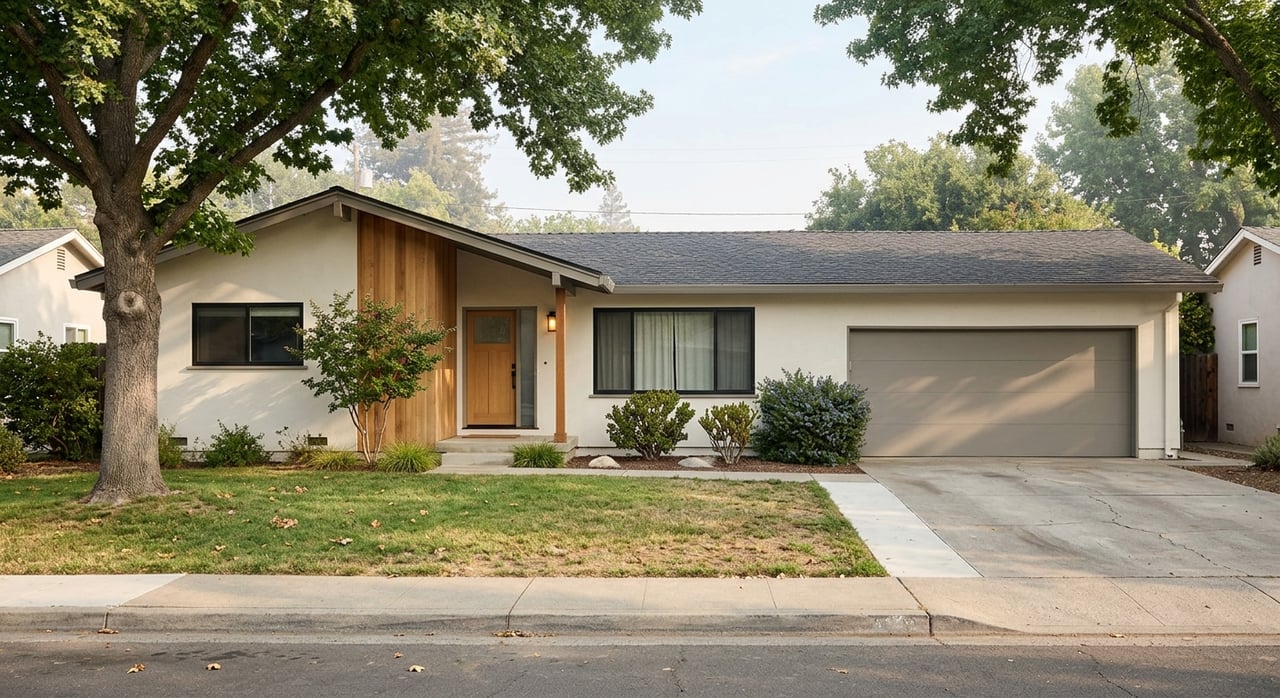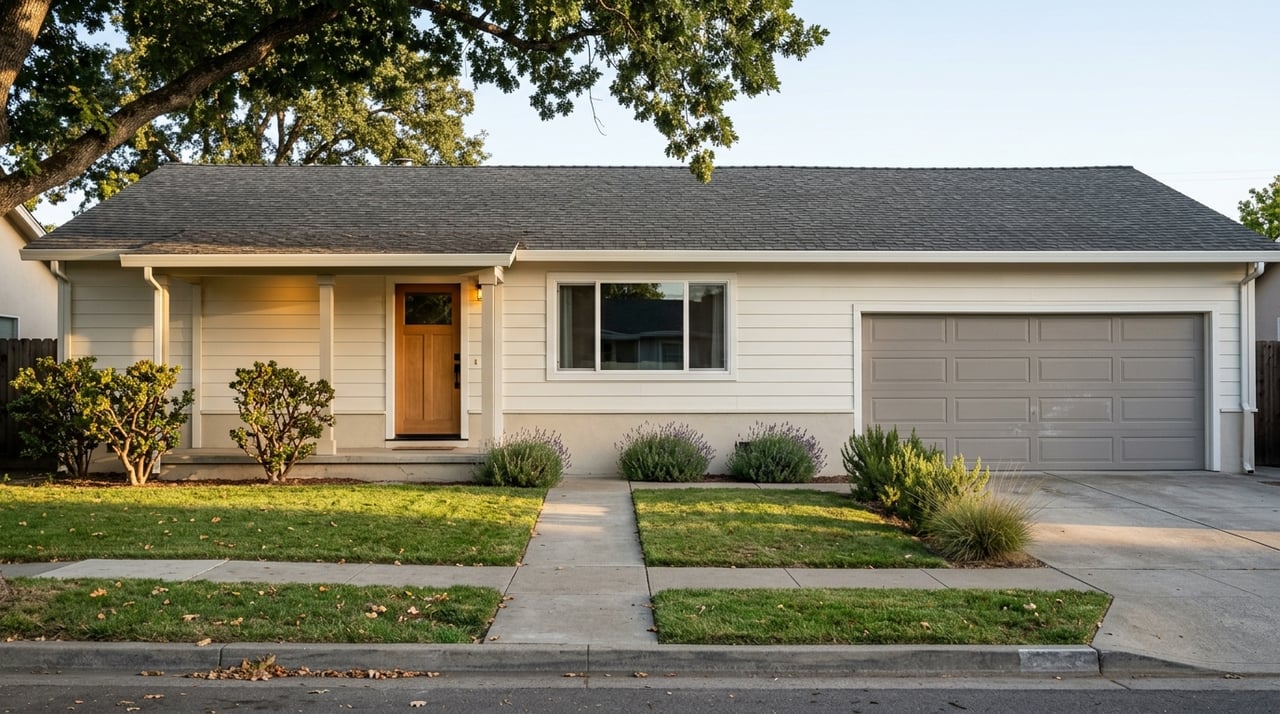
Selling a home can feel like one big countdown, but in Red Bluff, it usually works better to think in stages. You want to know what happens first, what can slow things down, and how long the process may really take. This step-by-step guide walks you through a realistic selling timeline in Red Bluff so you can plan ahead with more confidence. Let’s dive in.
Start With a Realistic Red Bluff Timeline
If you are planning to sell in Red Bluff, it helps to think in terms of two to four months from your first conversation to closing. That range usually includes pre-listing prep, time on the market, and escrow.
Recent local market snapshots show that homes are often selling in weeks, not just a few days. Redfin reported a 35-day median days-on-market figure for April 2026, while Realtor.com reported 62 days in its local market view. That gap is a good reminder that timing can vary based on price, condition, and the type of home you are selling.
Week 0: Your First Selling Conversation
The first step is usually a meeting about your goals, timing, and pricing expectations. This is also when you should get clear on representation and how the working relationship will look.
In California, the seller’s agent must provide the agency disclosure form before the listing agreement is signed. That means you should understand who the broker represents and what that means before you officially move forward.
Weeks 1 to 2: Prepare Your Home for Market
Most sellers spend the next week or two getting the home ready to show well. This often includes cleaning, decluttering, touch-ups, yard cleanup, and improving curb appeal.
Presentation matters because buyers often form opinions before they ever walk through the door. According to National Association of Realtors staging data cited in the research, 29% of agents said staging increased the dollar value offered by 1% to 10%, and 49% said staging reduced time on market.
This is also the stage where your broker helps you focus on the prep work that matters most. Rather than trying to do everything, you can prioritize the updates and presentation steps that support a strong launch.
Gather Disclosures Early
California sellers should start the disclosure process early. The Transfer Disclosure Statement covers the property’s condition along with potential hazards, defects, and other factors that may affect value or desirability.
The seller’s agent is also expected to complete a visual inspection and disclose readily observable defects. Getting this paperwork started early can help avoid delays later, especially once an offer comes in.
Check for Property-Specific Requirements
Some homes need additional disclosures. If your home was built before 1978, federal lead-based paint disclosure rules apply before the sale contract is signed.
Natural hazard disclosures may also apply depending on the parcel’s location. These extra steps are easier to handle when you identify them upfront instead of rushing through them during escrow.
Week 2: Set the Price and Launch the Listing
Before your home goes live, the list price should be carefully set based on local conditions. That usually means looking at recent comparable sales, lot size, property condition, upgrades, and current buyer demand.
In Red Bluff, pricing takes local judgment. The research shows a median sale price of $292,349 and a 98.2% sale-to-list ratio from Redfin for April 2026, while Realtor.com reported a median list price of $399.5K and a 100% sales-to-list-price ratio in its local market view. The practical takeaway is simple: many homes are selling close to list, but the right price still depends on the specific property.
Marketing Starts With Strong Visuals
Once pricing is set, the launch usually includes professional photos and broad MLS distribution. Videos and virtual tours may also be part of the marketing plan.
This front-loaded marketing work matters. Buyers and agents respond to strong visuals, clear presentation, and easy access to property details, so the listing should be ready to make a good first impression from day one.
Weeks 3 to 8: Showings and Market Feedback
After launch, your home moves into the active market period. During this stage, buyers schedule showings, your agent gathers feedback, and you watch how the market responds.
Because Red Bluff market time can run from about five weeks to around two months depending on the source, small adjustments can make a difference. If showing activity is lighter than expected, pricing or presentation may need a closer look.
What to Watch During Showings
The first few weeks often tell you a lot. You will want to pay attention to:
- Number of showing requests
- Buyer feedback on price and condition
- Whether buyers seem interested but hesitant
- How your home compares to other active listings
This feedback can help shape your next move. In some cases, no change is needed. In others, a pricing adjustment or presentation update can improve momentum.
When an Offer Arrives
An offer is more than just a number. You will also review earnest money, contingencies, financing terms, and the proposed closing date.
This is where a steady, local perspective matters. A strong offer is the one that fits your goals for price, timing, and certainty, not just the one with the highest headline figure.
Disclosures Affect Timing
In California, the Transfer Disclosure Statement must be delivered as soon as practicable and before title transfers. Once the buyer receives it in person, they have three days to terminate. If it is mailed, they have five days.
That timeline is one reason sellers benefit from getting disclosures handled early. Waiting too long can create avoidable delays right when you are trying to keep the transaction moving.
Extra Step for Pre-1978 Homes
If your home was built before 1978, buyers must receive lead-based paint information before signing. They are also entitled to a 10-day opportunity for a paint inspection or risk assessment unless that period is waived in writing.
That does not mean the sale will fall apart. It simply means there is an extra step that should be built into the timeline from the start.
After Acceptance: Inspections and Negotiation
Once you accept an offer, the buyer usually begins inspections and the lender starts underwriting if financing is involved. This is often the stage where repair requests or condition questions come up.
If the purchase contract includes an inspection contingency, buyers can cancel without penalty if they are not satisfied with the results. That is why it helps to enter this phase with clear disclosures and realistic expectations.
Common Issues That Can Affect Timing
A few things can slow the process after a contract is signed:
- Inspection findings that lead to repair negotiations
- Missing paperwork or signatures
- Loan underwriting delays
- Questions tied to disclosures or property condition
These issues are common, but they are easier to manage when deadlines are tracked closely and communication stays clear.
Escrow: The Final Stretch
In California, escrow begins once the buyer and seller agree to the sale terms. It closes when the purchase is complete.
Escrow is commonly handled by an independent escrow company or a title insurance company. In Northern California, escrow instructions are often prepared shortly before the anticipated close.
How Long Escrow Takes
There is no fixed escrow length required by law. The timeline is driven by the purchase contract and escrow instructions.
That means the closing date can be affected by financing, paperwork, document issues, or disputes between the parties. A cash transaction may move faster, while a financed deal with repairs or extra disclosures may take longer.
What Happens at Closing
At closing, the loan funds if financing is involved, documents are recorded with the county recorder, and the property and funds legally change hands. The escrow officer prepares the final closing statement and disburses funds to the seller and other parties.
For financed transactions, the buyer must receive the Closing Disclosure at least three business days before closing. Buyers are also advised to do a final walk-through before signing.
A Simple Red Bluff Selling Timeline
Here is a practical way to think about the process:
| Phase | Typical Timing |
|---|---|
| First meeting and planning | Week 0 |
| Home prep and disclosures | Weeks 1 to 2 |
| Pricing and launch | Around Week 2 |
| Showings and offers | Weeks 3 to 8 |
| Escrow and closing | Varies by contract |
For many Red Bluff sellers, the full process lands somewhere in that two- to four-month window. Clean, well-prepared homes with strong pricing may move faster. Homes with repair issues, financing delays, or added disclosure steps may take longer.
Why Local Guidance Matters at Each Stage
Selling a home is not just about putting a sign in the yard and waiting. It takes planning, pricing discipline, clear disclosures, and steady follow-through from start to finish.
That is where local experience can make the process feel more manageable. A broker-led team with strong Red Bluff and Tehama County knowledge can help you set a realistic timeline, prepare your home for market, manage showings, compare offers, and keep escrow moving.
If you are thinking about selling, the best first step is a practical conversation about your property, your timing, and what today’s Red Bluff market may mean for your next move. When you are ready, connect with Lori Slade for a local, hands-on approach and a free home valuation.
FAQs
How long does it usually take to sell a home in Red Bluff?
- For many sellers, the full process from first conversation to closing takes about two to four months, depending on prep time, market response, and escrow details.
What disclosures do California home sellers need in Red Bluff?
- Most sellers need to complete a Transfer Disclosure Statement, and some properties may also require natural hazard disclosures or lead-based paint disclosures for homes built before 1978.
When should a Red Bluff seller complete the Transfer Disclosure Statement?
- The Transfer Disclosure Statement should be delivered as soon as practicable and before title transfers, so it is usually smart to start it early.
Can pricing affect how fast a Red Bluff home sells?
- Yes. In a market where homes may take several weeks to sell, pricing can strongly affect showing activity, buyer interest, and how quickly offers come in.
What happens during escrow when selling a home in California?
- Escrow starts after buyer and seller agree to terms, then moves through document review, contingency timelines, funding, recording, and final disbursement of funds.