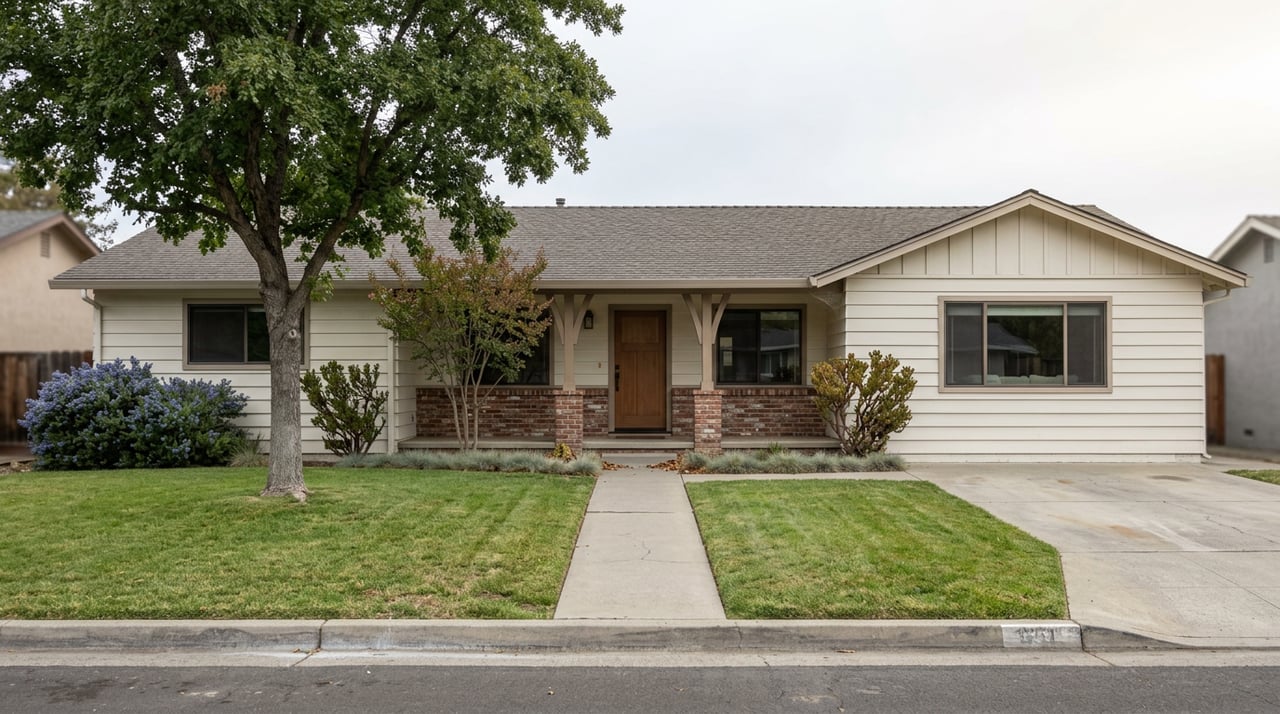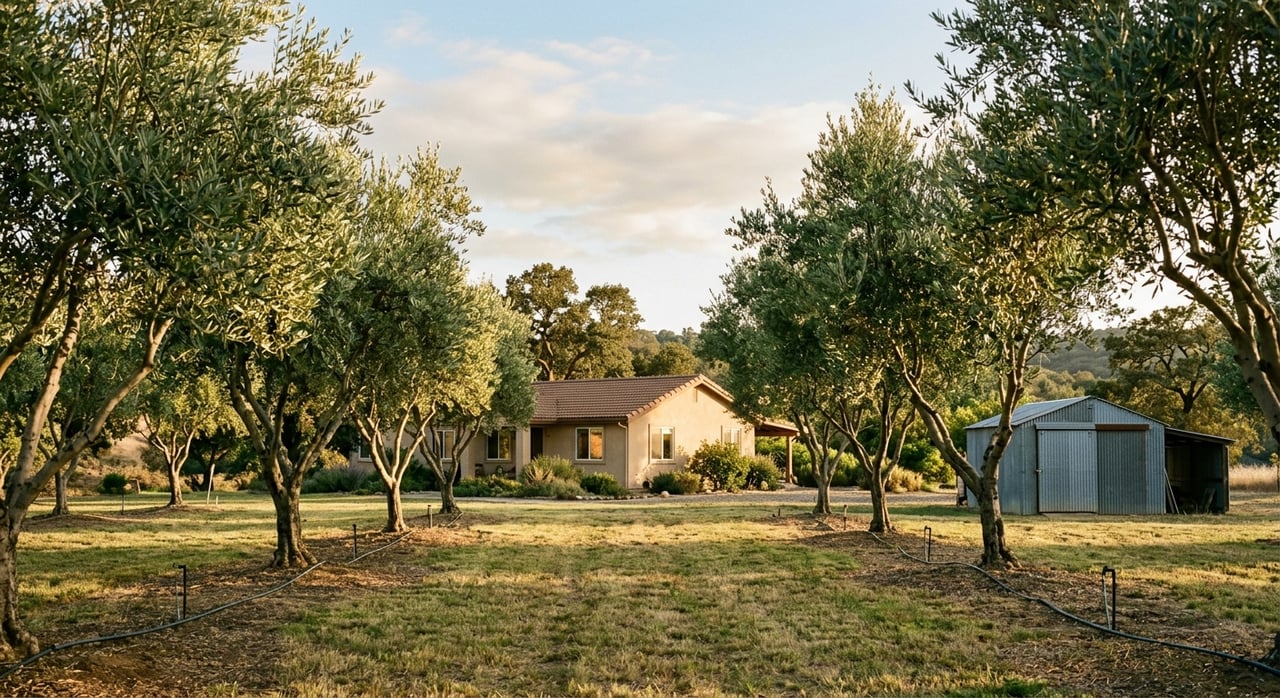
Selling a Corning orchard or farm property is different from selling a house in town. Buyers are not just looking at acreage. They want to understand water, access, zoning, planted acres, and how the property actually operates day to day. If you prepare those details early, you can make your property easier to evaluate and more appealing from the start. Let’s dive in.
Why Corning farm prep matters
Corning sits in one of Tehama County’s most agriculture-focused areas. According to the county’s 2024 crop report, fruit and nut crops account for 69% of total crop value, with almonds, walnuts, table olives, oil olives, and prunes leading the way. The same report notes total agricultural production reached $407.8 million, which shows how important working ag land is in this market.
That local focus affects how buyers view your property. In Corning, many buyers are comparing orchard blocks, water access, productive acreage, and long-term farm use, not just the total number of acres. A property that is well organized, well documented, and clearly presented usually creates a stronger first impression.
Start with your property file
Before you think about photos or pricing, gather the documents a serious buyer will likely ask for. This helps reduce delays and gives your listing a more complete story from day one.
A strong working file should include your deed, APN, legal description, parcel map, survey, easements, road access agreements, and any lot-line adjustment or split history. Tehama County’s Planning Department zoning information page notes that zoning is confirmed by address or APN, so those identifiers are especially important.
You should also pull together any records related to zoning, use permits, variances, and land-use designations. The county’s General Plan makes clear that orchard and field crop production are core agricultural uses in the area. If your parcel has any secondary use, such as a farm stand or other approved activity, documentation matters.
Gather water and irrigation records early
For most orchard and farm buyers, water is one of the first questions, not a later one. If you can answer those questions clearly, you give buyers more confidence and help them evaluate the property faster.
Useful records may include well completion reports, pump tests, well registration data, irrigation delivery records, district statements, and any recent water-quality information if the property is on a public system. The California Department of Water Resources explains that well completion reports must be filed after well construction, alteration, or destruction, which makes them a key part of the property file when available.
If your property receives canal or district water, include proof of membership, billing records, delivery history, and allocation documents. The Tehama-Colusa Canal Authority serves irrigation water to farmers across the region, and local water sourcing can be a major factor for Corning-area acreage.
It also helps to confirm whether the parcel is on a private well, connected to a public system, or tied to an irrigation delivery network. The City of Corning water system states that its supply comes from seven groundwater wells in the Corning Subbasin, while surrounding agricultural land may rely on different systems.
Confirm zoning, permits, and land use
Rural buyers often want to know not only what the property is, but also what it can legally support. That is why zoning and permit review should happen before your listing goes live.
Tehama County’s planning framework is designed to preserve agricultural land and reduce conflicts between farm and non-farm uses. The county’s General Plan includes agricultural buffers and land-use transition policies, including a minimum 300-foot agricultural buffer between new residential subdivisions and classified agricultural lands or processing facilities.
For your sale, that means buyers may ask about nearby development, access roads, contiguous acreage, and whether the parcel fits into the surrounding agricultural pattern. If your property includes a home, shop, barn, septic system, or other improvements, gather permit records and any approvals from Tehama County Environmental Health as early as possible.
Organize production records
A farm buyer wants more than a parcel outline. They want to understand how the land has been used and what it may produce.
If available, prepare a file with crop variety information, block maps, planting years, yield history, leases, and direct-sales paperwork. If the property has records tied to local pesticide use compliance or producer certifications, those can also help support the property’s operating story. Tehama County’s Agriculture Department manages pesticide-use enforcement, which shows how closely agricultural operations are documented in this market.
If part of the orchard is young, partially removed, or ready for replant, be clear about that upfront. In a market like Corning, buyers are often focused on productive acres versus replant ground rather than simply looking at gross acreage.
Make the land easy to read
One of the best things you can do before photos or showings is make the property easier to understand at a glance. That means both physical cleanup and visual clarity.
Clear weeds, debris, broken irrigation parts, and unused equipment where practical. Open gates, improve visibility at turnarounds, and make road frontage and access points easy to see. When buyers arrive, they should be able to understand how the property functions without guessing.
A simple map can do a lot of heavy lifting. Label parcel boundaries, orchard blocks, wells, pumps, turnouts, road frontage, easements, outbuildings, and any non-producing areas. Guidance from Land.com’s land listing resources emphasizes how strongly land buyers respond to mapped properties and clear visual information.
Prioritize the right marketing visuals
With a Corning orchard or farm, the visual story should focus on the land first. A beautiful kitchen may matter if there is a home on the property, but it should not overpower the agricultural value.
The most useful order for marketing is often aerial context, boundary map, water system, orchard blocks, improvements, and then interior photos if a residence is included. Land.com’s listing guidance highlights the value of photos, maps, and video for land marketing, and that approach fits rural Tehama County listings well.
A short aerial video can also help buyers see layout, neighboring uses, access roads, and the relationship between planted and open ground. For specialized rural properties, those tools are often more persuasive than generic staging.
Speak to the right buyer pool
Corning farm property can appeal to several kinds of buyers. Depending on the parcel, you may attract local or regional growers, existing orchard operators, buyers looking for income-producing agricultural land, or people who want a home with acreage.
That range makes buyer targeting important. Tehama County planning materials recognize agriculture as a central land use and also discuss certain agritourism and related uses in some contexts, as outlined in the county General Plan. If your property has a niche angle, such as olive production or an approved direct-sales component, it should be presented carefully and only with support from zoning and permit records.
Corning’s identity is closely tied to agricultural production. The City of Corning describes the local economy as centered on olive oil, dried plums, walnuts, and almonds, which means many buyers are looking for a property with a clear operational story, not just open land.
Use marketing channels built for land
A specialized rural listing often needs broader exposure than a standard residential listing alone. That is especially true for acreage that may appeal to buyers from outside the immediate area.
Land-focused marketing platforms can help reach people specifically searching for farm, orchard, and rural investment properties. The Land.com Network notes that its network includes Land.com, Land And Farm, and LandWatch, all of which are designed around land searches and rural property discovery.
For sellers, this matters because the right presentation and distribution can expand your buyer pool. A broker with local knowledge and practical land-marketing experience can help position your property so buyers see the details that matter most.
Verify local due diligence before listing
Before you go live, take time to verify the basics that often shape buyer decisions and pricing. This step can help prevent surprises during escrow.
Start by confirming the water setup, zoning, APN data, permit history, and whether the parcel is served by a well, a public system, or an irrigation source. Then review available groundwater and well information for the area. The Corning Subbasin Groundwater Sustainability Plan site provides local basin context that may be useful when discussing groundwater-related questions.
If the property includes a residence, be ready for the normal California residential disclosure process. The California Department of Real Estate explains the Transfer Disclosure Statement requirements, and natural hazard disclosures may also apply depending on the property.
A smart sale starts with clear preparation
Preparing a Corning orchard or farm property for sale is really about making the land understandable, documented, and marketable. When buyers can quickly see boundaries, water sources, planted acres, access, permits, and operating history, they are in a much better position to act with confidence.
That kind of preparation can also support stronger pricing conversations and a smoother transaction. If you are thinking about selling rural property in Corning or elsewhere in Tehama County, Lori Slade can help you build a practical plan for pricing, preparation, and marketing.
FAQs
What documents should you gather before selling a Corning farm property?
- Start with your deed, APN, legal description, parcel map, survey, easements, access agreements, zoning information, water records, permit files, tax documents, and any production history.
Why do water records matter for a Corning orchard sale?
- Buyers often want to review well information, pump tests, irrigation delivery history, and district or canal records because water access is a major part of evaluating agricultural property.
How should you prepare a Corning orchard before listing photos?
- Clear debris, weeds, broken equipment, and blocked access areas, then create a simple map showing boundaries, orchard blocks, wells, roads, easements, and improvements.
What buyers are most likely to purchase a Corning farm or orchard?
- Common buyer groups include local growers, regional operators, investors seeking income-producing agricultural land, and buyers looking for a home with acreage.
Does a home on a Corning farm property change the sale process?
- Yes. If the property includes a residence, California residential disclosures such as the Transfer Disclosure Statement and natural hazard disclosures may apply.