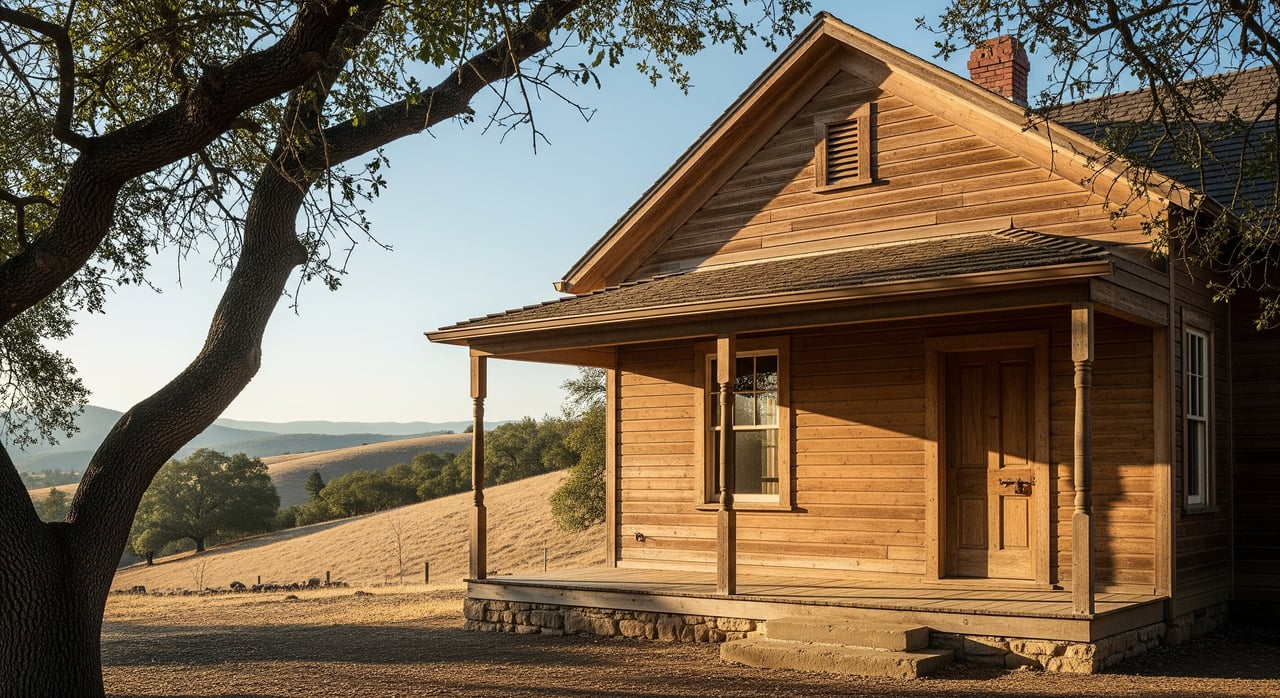
You spot “as-is” on a Cottonwood listing and wonder what you’re walking into. You want a fair deal without surprises after closing. The good news is you still have strong protections in California, and you can often negotiate based on what your inspections uncover. This guide explains what “as-is” really means, how to protect your interests, and the local issues to check in Shasta County. Let’s dive in.
What “as-is” really means in California
“As-is” means the seller is offering the home in its current physical condition. It signals they do not plan to make routine repairs as part of the deal. It does not replace inspections or disclosures.
Sellers still have legal duties. In California, sellers must provide required disclosures and share known material facts that affect value or safety. You can review consumer guidance from the California Department of Real Estate and the California Association of Realtors for a plain-language overview of disclosures and forms.
Key point: “As-is” does not let a seller hide problems. If a seller conceals a known defect, you may have remedies even if the contract says “as-is.”
Inspections and contingencies still matter
Most California purchase contracts give you inspection rights and time to investigate the property. You can order a general home inspection and specialists as needed. The inspection contingency is your window to discover issues and decide how to proceed.
Common contingencies to keep in place include:
- General inspection and right to order specialists
- Wood-destroying pest inspection
- Loan and appraisal if you are financing
- Septic and well for rural properties
- HOA and title review if applicable
Typical flow: open escrow, start inspections, review reports, then choose to request repairs, ask for a credit or price change, accept as-is, or cancel within your contingency period. Many contracts use an initial inspection period of about 10 to 17 days, but your exact timelines will be set in writing.
Appraisal is not an inspection
An appraisal estimates value for your lender. It does not replace full inspections. Appraisers may note obvious issues that affect value, but they will not test systems the way inspectors do.
Your negotiation options in an “as-is” deal
After inspections, you can still ask for changes. “As-is” sets expectations, but it does not silence your voice.
You can request:
- Specific repairs for safety or major systems
- A seller credit at closing for repairs
- A price reduction that reflects needed work
- An escrow holdback for a defined repair after closing
Sellers may agree, counter with a credit, or decline in line with the “as-is” stance. If you cannot reach agreement and your contingency is still open, you can cancel.
If a seller knowingly hides a material defect or misrepresents the home, you may have legal remedies. Guidance from the California Department of Real Estate and CAR reinforces that disclosure duties remain in place even when a sale is “as-is.”
Cottonwood and Shasta County checks to prioritize
Cottonwood blends older in-town homes with rural parcels. Local conditions can affect your costs, timelines, and insurance. Build these checks into your due diligence.
- Wildfire risk. Review CAL FIRE fire hazard maps and resources for defensible space rules, brush clearance, and insurance considerations.
- Flood zones. Confirm status on the FEMA Flood Map Service Center. Lenders may require flood insurance if a structure is in a mapped high-risk zone.
- Septic systems and wells. Many rural properties rely on private septic and wells. Order a septic evaluation and well flow and water quality tests. Check records and permitting with Shasta County.
- Age and deferred maintenance. Older Cottonwood homes may have foundation, electrical, plumbing, roof, or material issues typical of their era. Plan for specialist inspections when reports point to risk.
- Termites and wood-destroying organisms. A licensed pest inspection is common. Learn about inspectors and reports from the California Structural Pest Control Board.
- Access, easements, and utilities. Rural parcels can involve private road agreements, easements, propane, or limited utility access. Review the preliminary title report closely and ask questions.
- Taxes and assessments. Confirm property taxes, special district assessments, or road or utility assessments through Shasta County and your title documents.
Required disclosures still apply in “as-is” sales
California requires the Transfer Disclosure Statement and other notices that cover known issues and natural hazards. These are not optional in an “as-is” transaction. The California Department of Real Estate offers consumer information on these requirements.
Federal rules matter too. If the home was built before 1978, federal law requires a lead-based paint disclosure and the EPA booklet. You can read the basics on the EPA’s lead information page.
A simple Cottonwood “as-is” checklist
Before you write an offer
- Review all available disclosures and reports in the listing packet.
- Ask for permits, repair invoices, septic and well records, and warranties.
- Check wildfire and flood maps and note any insurance implications.
- Confirm taxes and any special assessments with county and title sources.
Drafting your offer and contingencies
- Include a broad inspection contingency with the right to order specialists.
- Add septic, well, roof, chimney, pest, HVAC, and structural inspections as needed.
- Keep loan and appraisal contingencies if you are financing.
- Set realistic timelines for inspections and seller responses in writing.
During inspections
- Attend the general home inspection and ask clarifying questions.
- Order a pest report and any specialty evaluations your inspector recommends.
- For rural homes, test well flow and water quality and evaluate septic capacity and condition.
- Document issues with reports and photos. Keep everything in writing.
Negotiation and decisions
- Request targeted repairs, a credit, or a price adjustment based on findings.
- Consider an escrow holdback for a specific, time-bound repair when appropriate.
- If material issues are not resolved, consider canceling within your contingency period.
Protecting yourself if problems surface later
- Keep copies of all disclosures, reports, and emails.
- If you suspect a concealed material defect, consult your agent and consider legal advice before removing contingencies.
Final thoughts
Buying an “as-is” home in Cottonwood does not have to mean taking on unknown risk. With solid inspections, clear contingencies, and local knowledge of rural systems, you can move forward with confidence or walk away if the numbers no longer work. If you are selling, accurate disclosures and upfront documentation help you attract serious buyers and reduce surprises.
Have questions about a specific Cottonwood property or rural setup like wells and septic? Reach out to Lori Slade for practical guidance grounded in Northern California experience.
FAQs
What does “as-is” mean in a Cottonwood home sale?
- It means the seller offers the property in its current condition and does not plan to make routine repairs, but inspections and disclosures still apply under California rules.
Can I still get inspections on an “as-is” home in California?
- Yes, standard contracts preserve your inspection rights and a contingency period to investigate, negotiate, or cancel based on findings unless you explicitly waive them.
How long is the inspection contingency period?
- Timelines are set in your contract; many deals start with about 10 to 17 days, but you and the seller agree on the exact number in writing.
Do sellers have to disclose problems in an “as-is” sale?
- Yes, California requires sellers to disclose known material facts and provide mandated forms, and federal lead-based paint rules apply for pre-1978 homes.
What should rural Cottonwood buyers check for wells and septic?
- Order well flow and water quality tests and a septic evaluation, and confirm any permits or records with Shasta County Environmental Health.
Does the appraisal catch condition issues in an “as-is” sale?
- No, appraisals focus on value for the lender; you still need thorough inspections to uncover defects that might affect safety or repair costs.